

Research at IAC
At the Issyk-Kul Institute for Applied Complexity, we tackle the most fundamental questions about how complex systems work. Our interdisciplinary approach brings together researchers from physics, biology, mathematics, computer science, economics, and social sciences to understand the patterns and principles that govern complexity across all scales of nature and society.
Our Research Philosophy
“The most profound questions in science today exist at the boundaries between disciplines. We pursue fundamental understanding of how complexity arises across scales—from molecular networks to social systems to global ecosystems. Our work seeks not just to observe complexity, but to reveal the deep mathematical structures that underlie it.”
— Prof. Elena Kozlova, Director of Research
Our Research Areas
Four interconnected domains of inquiry that span the breadth of complexity science, each contributing unique insights to our understanding of complex systems.

We study how complex behaviors emerge from simple rules and interactions. Our work spans phase transitions, critical phenomena, and universal scaling laws that appear across different systems.
Research Focus:
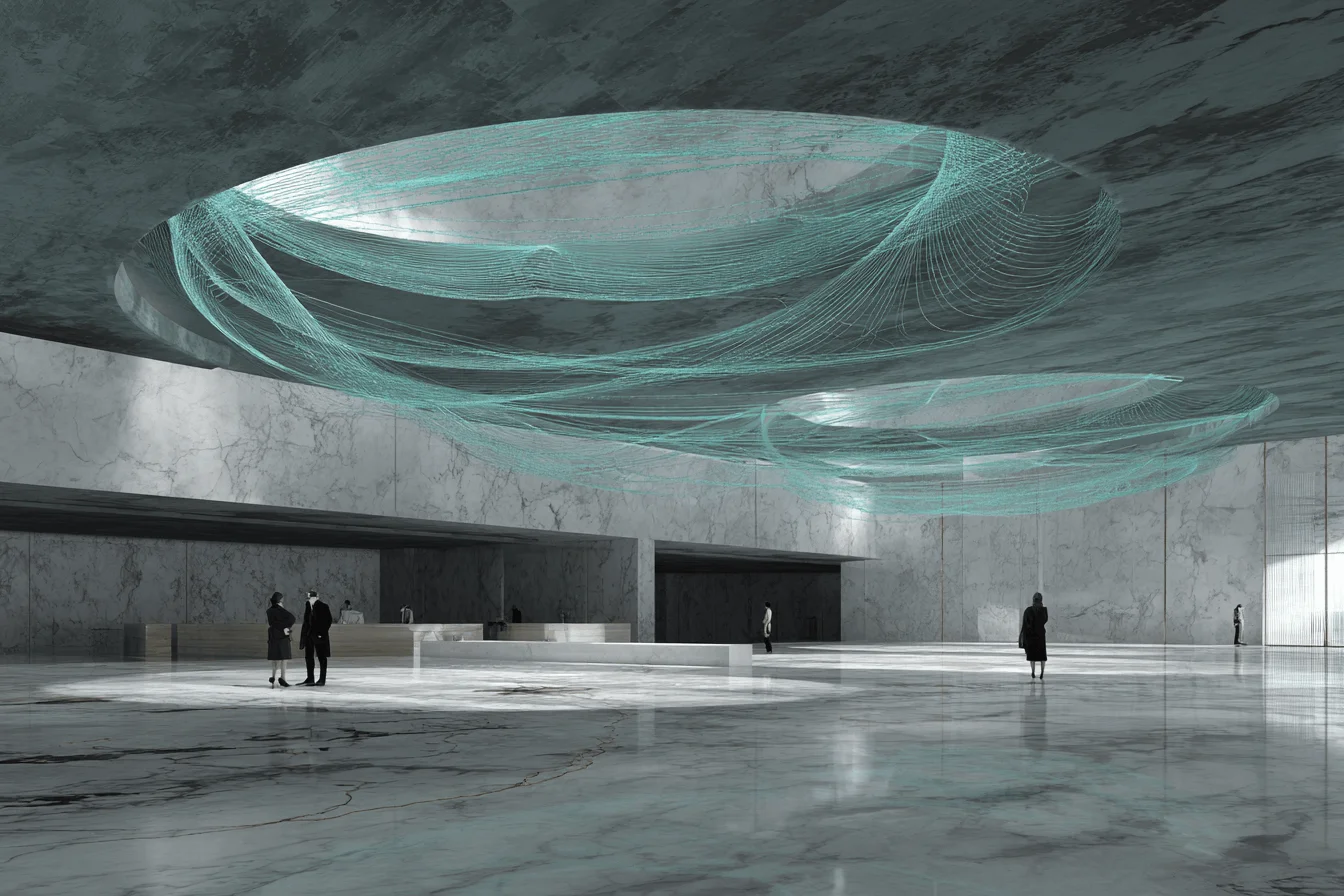
From neural networks to social media, we investigate how network structure influences function. Our research covers network formation, evolution, synchronization, and failure cascades.
Research Focus:
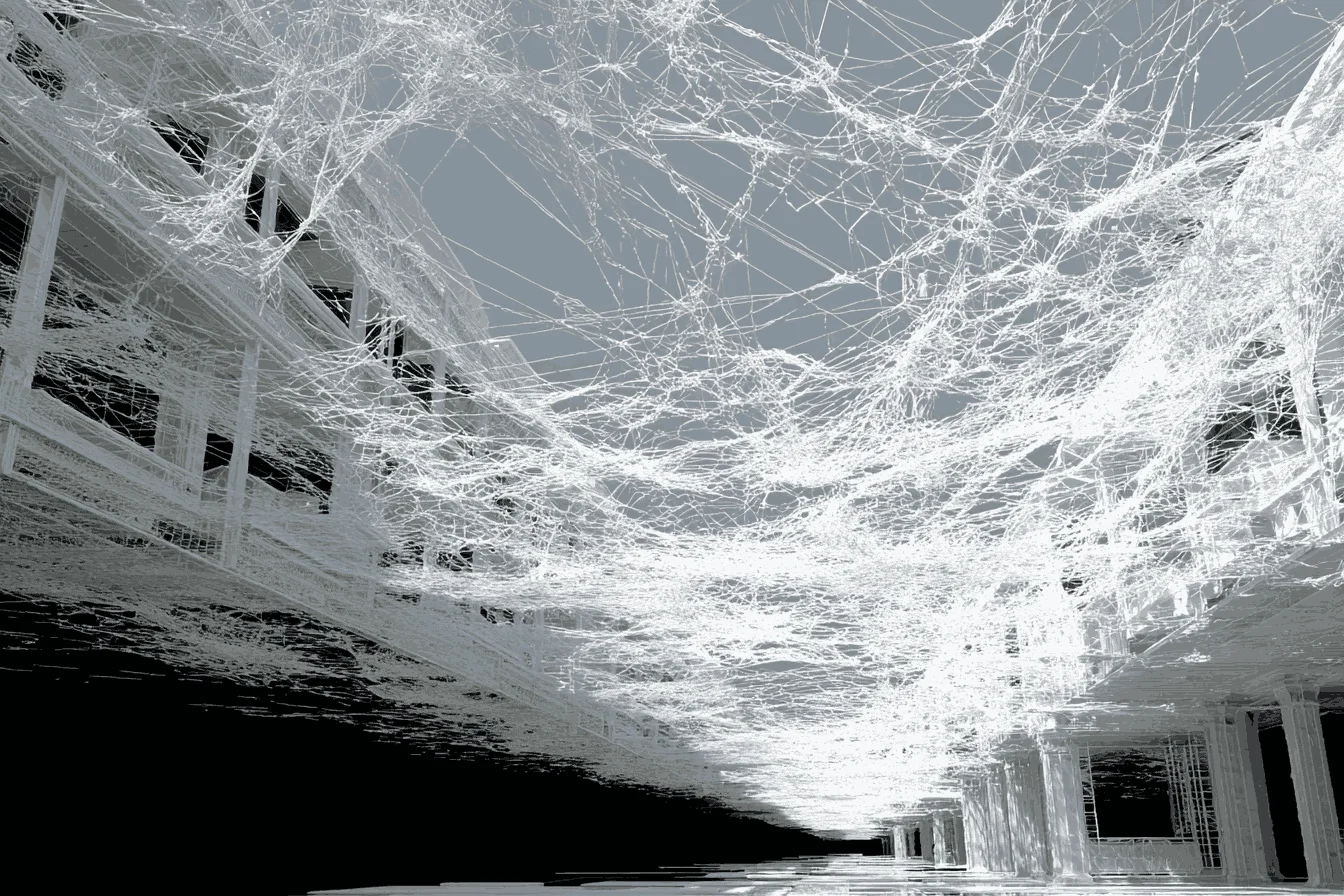
We explore how collective behaviors arise from individual interactions in biological, social, and technological systems. Our focus is on self-organization, swarm intelligence, and collective decision-making.
Research Focus:
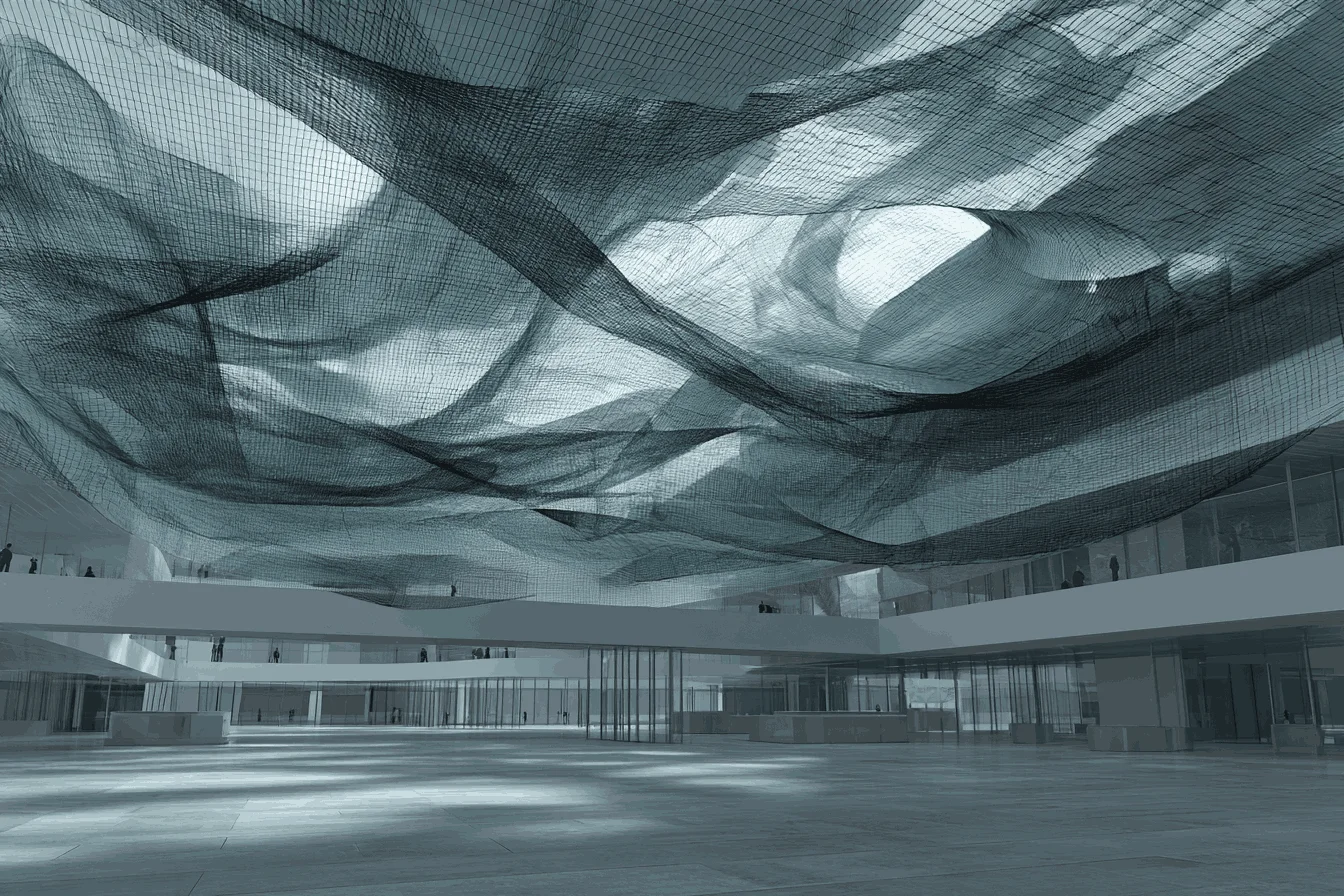
We develop new mathematical tools and computational methods for understanding complex systems. Our work includes nonlinear dynamics, statistical mechanics, and network theory.
Research Focus:
Join Our Research Community
Whether you're a prospective graduate student, postdoc, or visiting researcher, we welcome collaborators who share our passion for understanding complexity.
Research Laboratories
State-of-the-art facilities equipped with cutting-edge technology to support groundbreaking research in complexity science.
Developing computational methods for analyzing complex systems and networks
Specialties:
Recent Work:
Universal scaling laws in biological networks
Understanding synchronization, cascade failures, and adaptive processes in networks
Specialties:
Recent Work:
Resilience patterns in infrastructure networks
Studying collective behavior and self-organization in natural and artificial systems
Specialties:
Recent Work:
Self-organizing patterns in social insects
Developing mathematical frameworks for complex system analysis
Specialties:
Recent Work:
Phase transitions in social opinion dynamics
Leading Faculty
World-renowned researchers who are shaping the future of complexity science through their groundbreaking work and mentorship.
Director of Research & Professor
Complexity Science, Network Theory
Education:
PhD Physics, ETH Zurich
Key Achievements:
- MacArthur Fellow 2022
- 45 papers in Nature/Science
- H-index: 67
Recent Publication:
Universal Patterns in Complex Networks (Nature, 2024)
Professor & Network Lab Director
Network Dynamics, Synchronization
Education:
PhD Applied Mathematics, MIT
Key Achievements:
- NSF CAREER Award
- 32 papers in top journals
- H-index: 52
Recent Publication:
Cascade Resilience in Infrastructure (Science, 2024)
Associate Professor
Emergent Systems, Collective Intelligence
Education:
PhD Computer Science, Stanford
Key Achievements:
- Sloan Research Fellow
- 28 papers in PNAS
- H-index: 41
Recent Publication:
Swarm Intelligence in Social Systems (PNAS, 2024)
Professor & Math Center Director
Mathematical Modeling, Statistical Physics
Education:
PhD Mathematics, Princeton
Key Achievements:
- AMS Fellow
- 38 papers in top venues
- H-index: 58
Recent Publication:
Phase Transitions in Opinion Dynamics (PRL, 2024)